Fleet Insurance 101: Common Mistakes to Avoid When Insuring Your Vehicles


Fleet insurance is one of the bigger costs in a fleet budget, and the policy decides how much you owe after a crash. It has to match your real vehicles, drivers, and daily work on the day a claim comes in. When it falls short, you find out at the worst possible time. Here are the mistakes that come up most often in light-duty and service fleets, along with a simple fix for each.
Letting the vehicle list go stale
Vehicles come and go all year. Sold vehicles left on the policy keep costing you money. A new van that never gets added may have no coverage if it's in a crash. Update the list every time the fleet changes, and check it against your asset records each quarter. Also confirm where each vehicle is parked overnight and how far it travels, since insurers use both to set the price.
Skipping coverage for rented and personal vehicles
Employees sometimes run errands in their own cars, and teams rent vehicles during busy periods. A crash in one of those vehicles can leave the company on the hook, and your regular fleet policy may not cover it. Hired and non-owned auto coverage fills that gap and is often inexpensive. Ask your broker about it if anyone drives for work in a vehicle the company doesn't own.
Hiring drivers without a clear standard
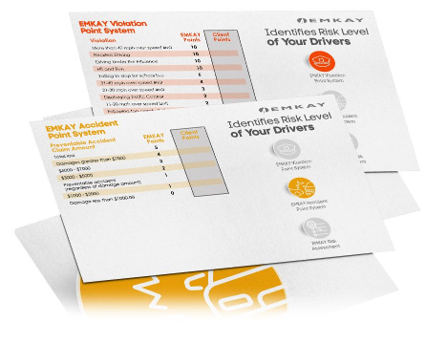
Insurers look closely at who drives your vehicles. Write down what makes a driver eligible, check each driver's motor vehicle record before they start, and recheck it on a schedule. This shows insurers that you manage risk, and it warns you early when a driver's record gets worse. One driver with a bad record can raise the price for the whole fleet.
Setting your limits once and forgetting them
A limit is the most an insurer will pay on a claim. Injury claims and legal costs climb over time, so limits set a few years ago may be too low now. One bad accident can use up the whole policy, leaving the company to cover the rest. Ask your broker whether an umbrella policy makes sense, and revisit your limits when the fleet grows, moves into new areas, or adds different vehicle types.
Missing your lease or loan requirements
Lessors and lenders usually set minimum coverage amounts, cap how high your deductible can be, and want to be named on the policy. Falling short of those terms can put you in breach of the agreement. Ask about gap coverage too. It pays the difference when a vehicle is totaled and worth less than what you still owe.
Picking a deductible
A deductible is what you pay before insurance kicks in. A higher deductible lowers your premium and raises what you pay on every claim. A fleet with many small claims can end up spending more on deductibles than it saved. Look at a few years of claims, add up what each deductible level would have cost you, and pick one your budget can handle.
Reporting accidents late
Most policies require prompt notice of a claim. Late reports can slow the investigation and hurt your position. Keep an accident checklist in every vehicle that covers what to photograph, who to call, and what to avoid saying at the scene. Walk drivers through it when they start and again every year, and post the claims phone number where they can find it fast.
Leaving upfits and equipment off the policy
Ladder racks, service bodies, lift gates, tool storage, and tracking devices add real value to a vehicle. A standard policy may cover little of that equipment, or none of it. Send your broker a list of everything installed and what it's worth, and ask how each item is covered after a loss. When you add equipment mid-year, tell your broker right away.
Treating renewal as a formality
Renewal is your best chance to bring your rate down. Insurers respond well to organized claims records, a written safety program, and proof that you train or coach drivers, such as through telematics. Start pulling that together well before the renewal date. Get quotes from more than one insurer, and compare what each policy covers, not just what it costs.
Make it a yearly habit
Most of these fixes fit into one annual review with your fleet manager, finance team, and broker. Go through the vehicle list, drivers, equipment, limits, deductibles, and lease terms together, then set dates for the follow-ups. This article is general information, and a licensed commercial insurance broker can speak to the specifics of your program.
EMKAY has been managing fleets since 1946. To talk through how your vehicle program and coverage needs fit together, call 630.250.7400 or email info@emkay.com.
Fleet Costs in 2027: Why 2026 Ran Hot and What to Budget for Next Year
If your 2026 fleet spend landed well above plan, the market explains most of it. Fuel, steel, maintenance labor, insurance and financing all moved against fleets this year, and several of them moved in the opposite direction from what forecasters expected last winter. For fleet managers building 2027 budgets, the job has two parts: explain the 2026 variance in terms finance will accept, and set 2027 assumptions that hold up if conditions shift again.
How to Develop a Successful Predictive Maintenance Program
Predictive maintenance uses vehicle data — mileage patterns, diagnostic trouble codes, sensor readings, engine performance trends — to flag repair needs before a component fails. Instead of servicing a vehicle on a fixed calendar or waiting for a warning light, fleet managers act on signals that point to a specific problem developing in a specific vehicle.