The Most Fuel-Efficient Cars for Fleets That Aren't Hybrids

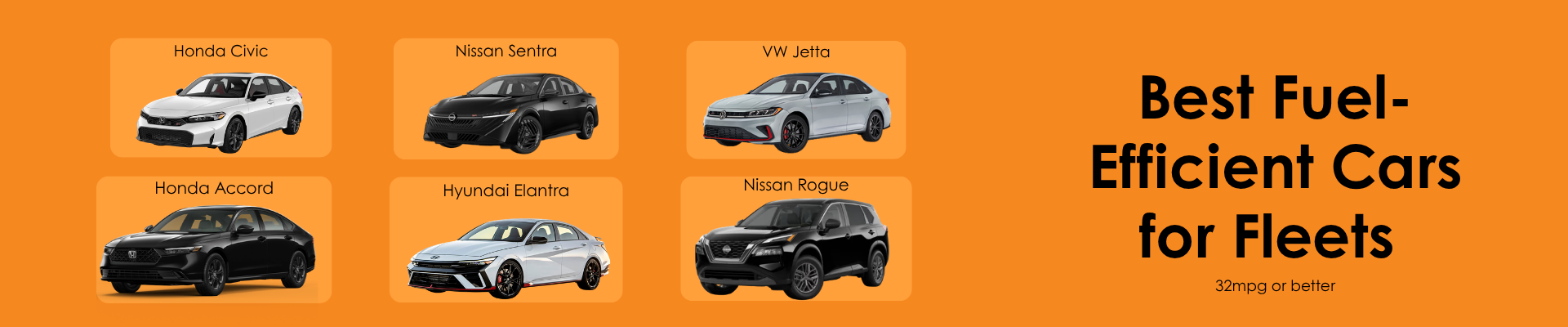
Hybrids and EVs get a lot of attention when it comes to cutting fleet fuel costs. And sure, they can be a great option — but they're not the only one. Plenty of conventional gas vehicles get great mileage, cost less to buy, and are easier to maintain. No charging infrastructure needed.
If your fleet handles light-duty work, runs mostly urban or suburban routes, or just isn't ready to go electric, this list is for you. Every vehicle here gets 32 mpg or better. Across a fleet of any real size, that's a significant amount of money back in your pocket every year.
Honda Civic — 36 MPG Combined
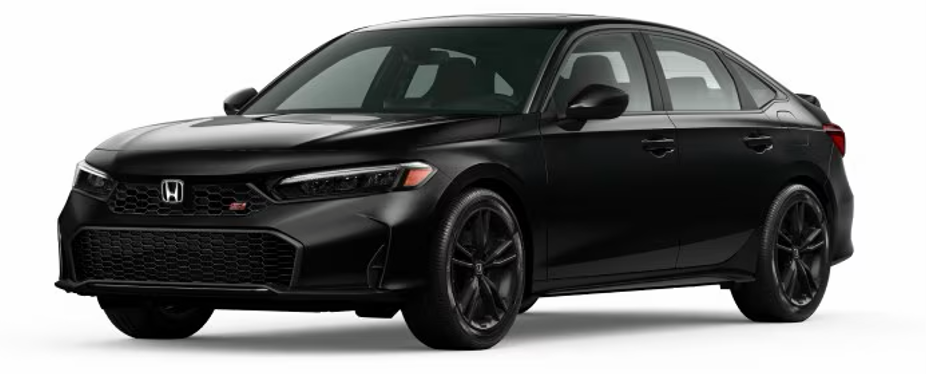
The Civic is the most fuel-efficient car on this list. At 36 mpg combined, it's hard to beat for fleets running daily urban routes — think sales reps, service calls, or any role with a lot of stop-and-go driving. It's comfortable, reliable, and won't throw a lot of surprise maintenance costs at you. A solid all-around choice.
Hyundai Elantra — 35 MPG Combined
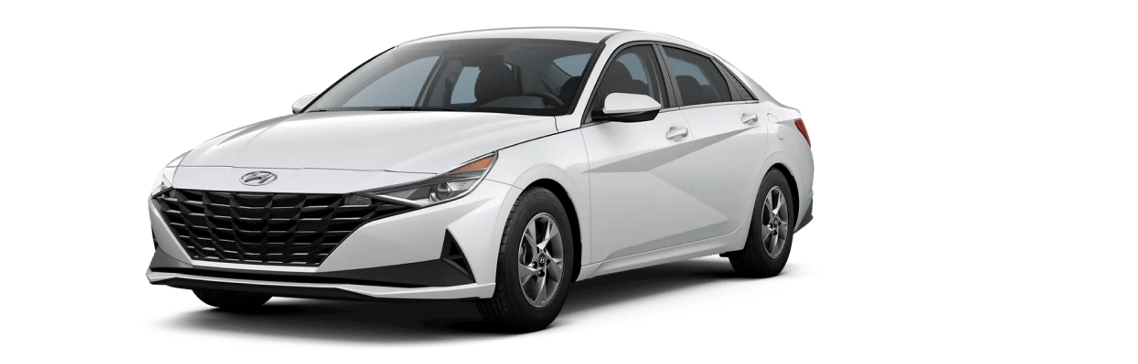
The Elantra is right behind the Civic at 35 mpg combined. What makes it stand out is the warranty — Hyundai's coverage is one of the best you'll find outside of a luxury brand. For fleet managers watching cost-per-mile, that combination of good fuel economy and strong warranty protection keeps ownership costs predictable. That's a big deal when you're managing a lot of vehicles.
Nissan Sentra — 34 MPG Combined
The Sentra is a great pick for fleets running a high volume of vehicles in busy urban areas. It's small, easy to maneuver, and typically cheaper to acquire than the Civic or Elantra. At 34 mpg combined, the fuel economy is right there with the best on this list. If you're leasing, the lower purchase price tends to make the numbers work out even better.
Volkswagen Jetta — 34 MPG Combined
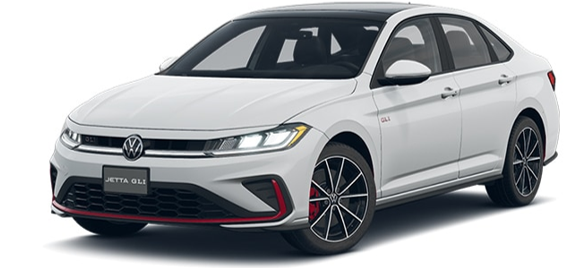
The Jetta gets the same 34 mpg combined as the Sentra, but it feels like a step up inside. The cabin is quieter and more refined — something drivers actually notice, especially on longer days. If you have a sales team or service staff spending a lot of hours on the road, that kind of comfort can make a real difference in how they feel about the vehicle. Good mileage, better experience.
Honda Accord — 33 MPG Combined
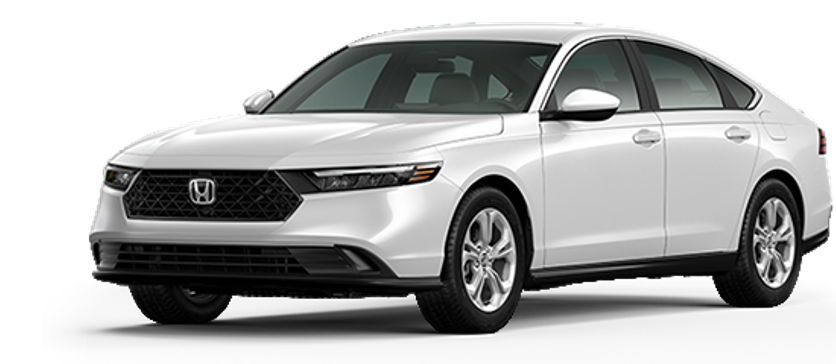
The Accord is the biggest car on this list, and at 33 mpg combined it's remarkably efficient for its size. If a role genuinely needs more space — more cargo room, more legroom for passengers — the Accord delivers without a big fuel economy penalty. It's also worth considering as a swap for mid-size SUVs in roles that don't actually need an SUV. Often the Accord covers the same ground for less money.
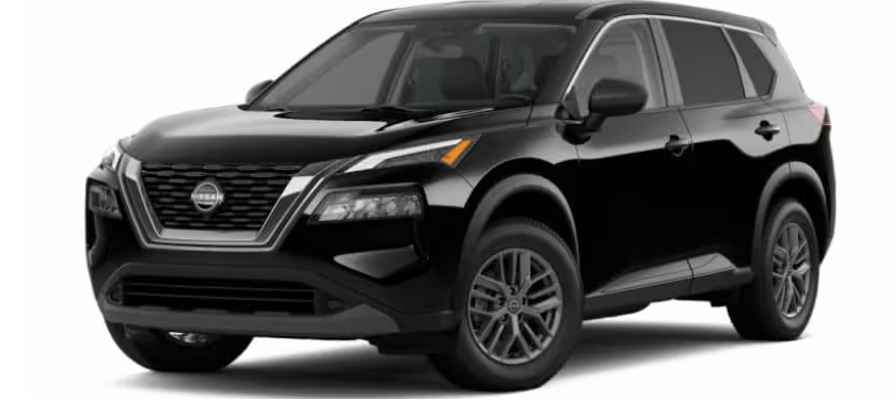
Nissan Rogue — 32 MPG Combined
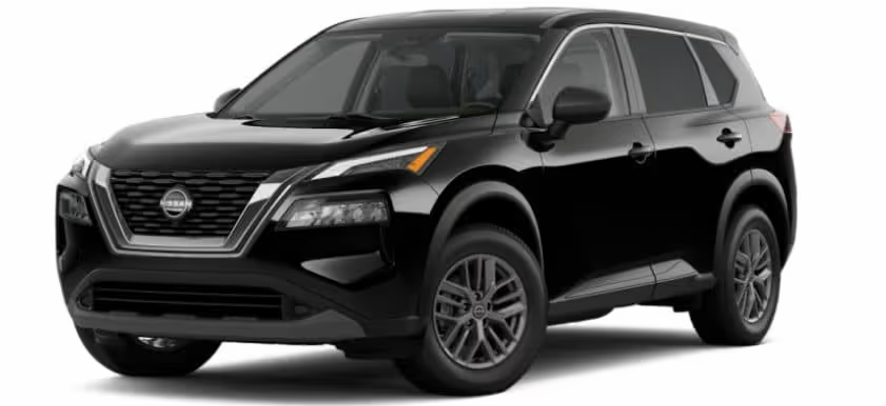
Sometimes a sedan isn't the right tool for the job. The Rogue is the crossover option on this list, and at 32 mpg combined it's one of the more efficient ones out there. If your drivers need AWD, more cargo space, or a little extra ground clearance, the Rogue gets you there without the fuel economy hit you'd take with a larger SUV. Good middle ground.
Toyota Corolla Cross — 32 MPG Combined
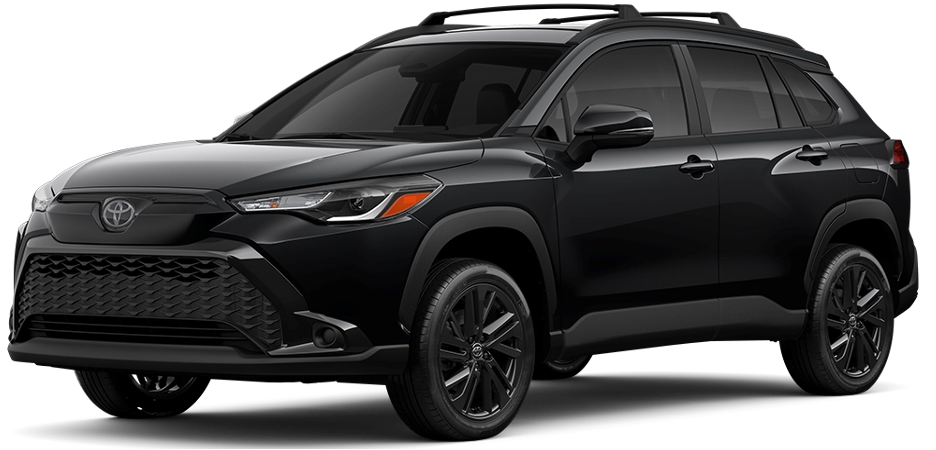
The Corolla Cross matches the Rogue at 32 mpg combined and brings Toyota's reliability reputation along with it. If long-term dependability and strong resale value are high on your list, this one's worth a close look. It tends to hold its value well, which matters if you're cycling vehicles on set lease terms and want predictable residuals.
Running the Numbers
MPG is a good starting point, but it's not the whole picture. To really understand the impact, you need to look at cost-per-mile across your whole fleet — factoring in routes, driver habits, fuel prices, and maintenance.
Here's a simple way to think about it: a 2 mpg difference across 30 vehicles driving 25,000 miles a year at $3.50 per gallon adds up to real savings. Every year. That's the kind of thing that shows up clearly when you do a proper fleet cost analysis.
Emkay helps fleet managers work through exactly that — looking at the full picture across vehicle selection, acquisition, and lifecycle costs to find where the real savings are.
25 Best AI Tools for Smarter Fleet Workflows
Fleet management has moved well past spreadsheets and static GPS dots on a map. Across telematics, maintenance, and safety, artificial intelligence now does work that used to sit on a coordinator's desk. The result is a fast-growing category of AI fleet management tools, and the field is wide enough that most operations teams have only evaluated a fraction of it.
How Does Construction Telematics Improve Site Efficiency?
Construction telematics refers to the systems that collect and transmit data from heavy equipment, vehicles, and job site assets — location, engine hours, fuel consumption, idle time, and mechanical health, among other metrics. GPS units, onboard sensors, and cellular or satellite connectivity work together to relay this information back to a central dashboard, giving fleet managers a live picture of where every machine is and how it's performing.